

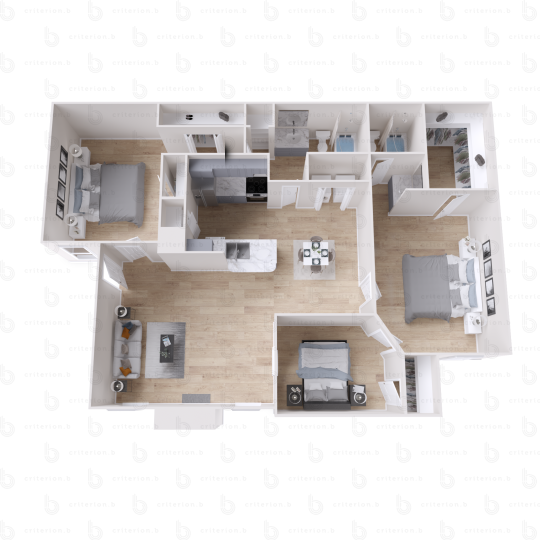
If you are comparing the pet policy for apartments near DFW Airport in Arlington, start with the details that change your monthly cost and move-in process: how many pets are allowed, what the one-time fees are, whether breed or weight restrictions apply, and whether the community has usable pet amenities. At Hudson in Arlington, the stated policy allows dogs and cats, up to two pets per apartment home, with a $400 non-refundable pet fee per pet and $30 monthly pet rent per pet, while breed and weight restrictions may apply.
That direct answer matters more than a generic “pet-friendly” label, especially in the DFW Airport area where renters may be balancing travel, shift work, or frequent driving across Arlington, Irving, Euless, or Fort Worth. A pet policy is really a bundle of rules, costs, and practical living conditions, so it is worth reading beyond the headline before you decide a place will work for you and your animal.
What to compare in a pet policy, beyond whether pets are allowed
The most useful first check is the total move-in and monthly pet cost. Some communities advertise that they accept pets but structure the policy very differently, using deposits, non-refundable fees, monthly pet rent, or a combination of all three. At Hudson, the published policy includes a non-refundable pet fee of $400 per pet and monthly pet rent of $30 per pet, so a two-pet household should calculate both the upfront amount and the recurring monthly amount before applying.
The next issue is the pet count limit. Hudson states a maximum of two pets per apartment home. That is straightforward for many renters, but it becomes a deciding factor if you have more than two animals or if your household may add a second pet later. If that is your situation, confirm whether the limit applies to all pets combined and ask how the community handles replacement pets during the lease term.
Restrictions matter just as much as the fee schedule. Hudson notes that breed and weight restrictions may apply, which is common language in apartment leasing. For dog owners, this is the point where assumptions can cause problems. “Pet-friendly” does not guarantee every dog will qualify, and online listings can lag behind current screening rules. The practical move is to verify the current restricted-breed list, any weight threshold, and what documentation the office needs before you pay application or pet charges.
Finally, ask about the paperwork and timing. Hudson advises that pet fees should be paid and required pet paperwork completed before a pet joins you in the home. That is especially relevant for renters relocating through the DFW area on a tight schedule, because delays often come from vaccination records, photos, or other required forms rather than from the lease itself. If you are trying to line up housing before a work transfer or flight-heavy routine, getting those documents organized early can save time.
How airport-area living can affect your pet decision in Arlington
DFW International Airport is the closest major airport to Hudson, but “near the airport” can mean different things to different renters. For one person, it means easier access for frequent flights. For another, it means wanting a home base in Arlington that still works for a dog or cat. The key is to separate airport access from pet suitability. A shorter drive to the airport does not help much if the community’s pet fees, restrictions, or daily setup do not fit your household.
Travel habits should shape how you evaluate a pet policy. If you fly often, ask practical questions that are not always answered in a listing: how the community handles pets that arrive after move-in, what records must be on file, and whether there are any rules about unattended animals that would affect your routine. Those points matter more in airport-adjacent searches because renters sometimes choose the area specifically for business travel or irregular work schedules.
For dog owners, on-site pet infrastructure can matter as much as the written policy. Hudson states that it has a dog park and pet stations throughout the community. That does not replace regular walks or outside exercise, but it does answer an important quality-of-life question: whether you have a designated place on the property for quick breaks and daily cleanup. For renters leaving early for the airport or returning late, that kind of setup can make the policy easier to live with in practice.
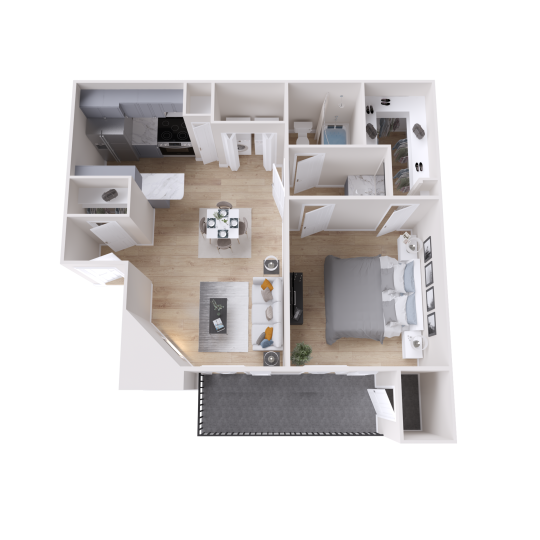
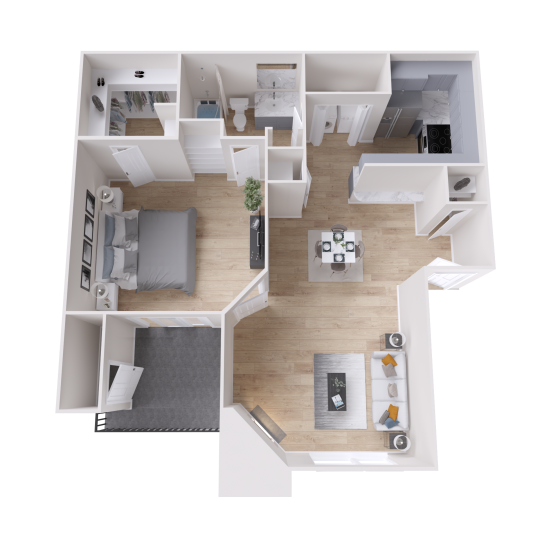
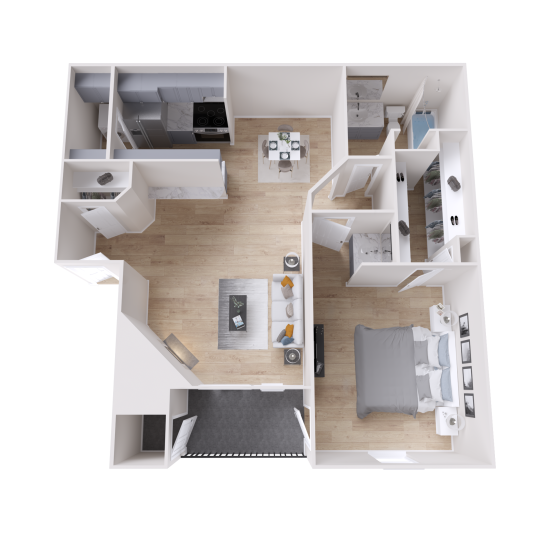
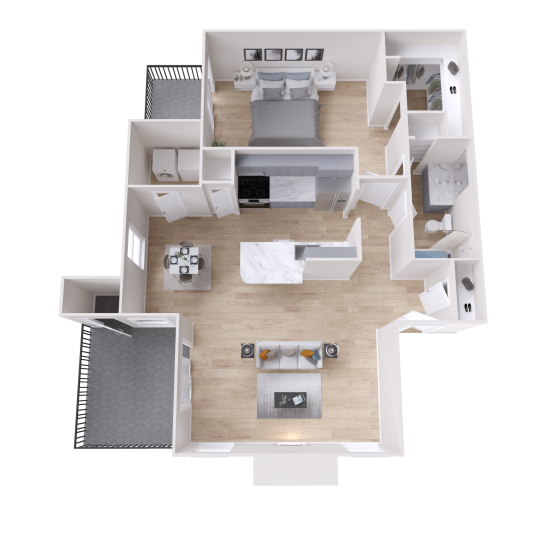
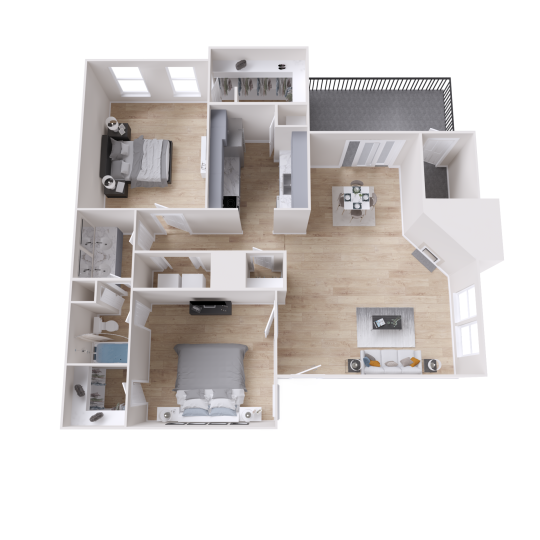
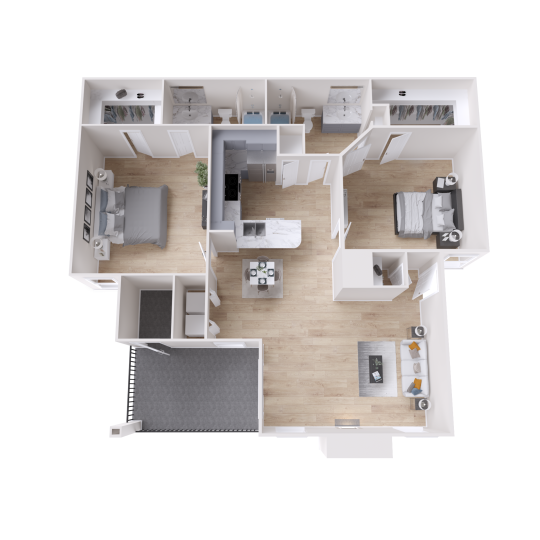
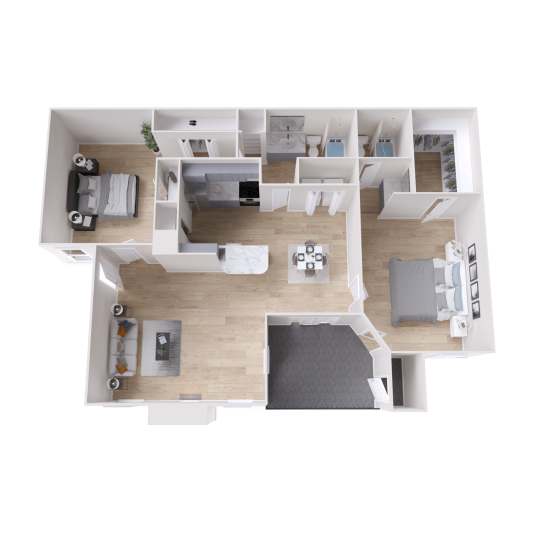
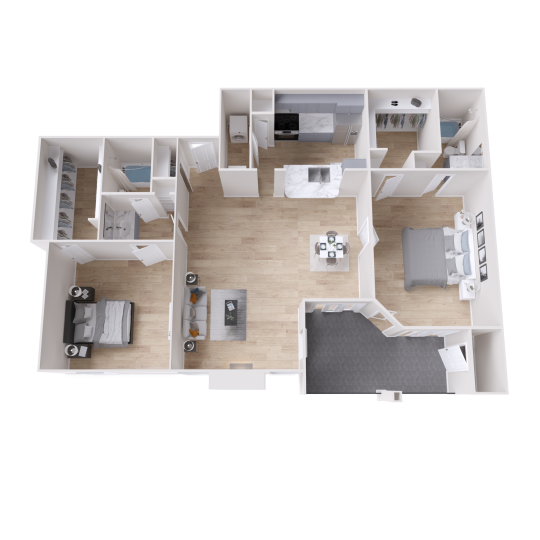
Apartment layout also becomes part of the pet conversation when you are comparing homes, not because a larger apartment is automatically better for every animal, but because storage, cleaning, and separation space can change daily life. Hudson offers one- and two-bedroom floor plans, and select homes have private fenced backyards that should be confirmed for the specific apartment. For some pet owners, especially those with dogs, that feature may be more meaningful than a long amenity list because it affects routine, cleanup, and outdoor access every day.
How to verify the policy before you apply
Start by confirming the current pet rules directly with the leasing office, because pet policies are the kind of information renters most often need in exact, current form. Ask for the fees, monthly pet rent, maximum number of pets, and any breed or weight restrictions in writing. That gives you something concrete to compare against other Arlington communities near DFW Airport, and it helps prevent misunderstandings between advertising language and lease terms.
If you have a specific dog breed, a mixed-breed dog, or an animal close to a stated weight threshold, be precise when you ask. General questions such as “Are dogs allowed?” do not get you far enough. A better approach is to share the breed, approximate weight, age, and number of pets, then ask whether any additional approval steps apply. If you have a cat, ask whether the same fee structure and two-pet limit apply, since communities sometimes group dogs and cats together but handle documentation differently.
It is also worth asking how the written policy translates into your exact unit choice. For example, if you are interested in a home with a private fenced backyard, verify that the feature is available in that specific apartment and not just in select homes generally. If parking and pet transport matter to you, Hudson also offers open parking and reserved carports for an added monthly charge, which may be useful if you regularly load carriers, pet supplies, or travel gear in bad weather.
When you are ready to narrow your list, the most practical next step is simple: call Hudson at 945.300.6122 and ask for the current pet policy in writing, including any breed or weight restrictions and whether any available homes include a private fenced backyard. That gives you a clear yes-or-no answer based on your actual pet, not a generic listing description.