
If you are comparing pet fees at apartments near DFW Airport in Arlington, look at the full pet cost structure, not just the up-front number. At Hudson, the stated pet policy is a non-refundable pet fee of $400 per pet plus $30 monthly pet rent per pet, with a maximum of two pets per apartment home, and breed and weight restrictions may apply.
That means the real question is not only whether a community allows pets, but how the one-time fee, monthly pet rent, limits, and any restrictions will affect your budget and your move-in timeline. Near DFW Airport, where many renters want quick regional access for work or travel, those details matter because a pet policy can change both your first-month costs and how easily you can settle in.
How to compare pet fees, pet rent, and restrictions in this area
When renters search for pet-friendly apartments near DFW Airport, the most common mistake is comparing only advertised base rent. A lower rent can still cost more over time if the community charges a high non-refundable pet fee, recurring pet rent for each animal, or separate administrative pet charges. The cleanest way to compare options is to total your first-year pet cost: add the one-time pet fee, then add 12 months of pet rent, then multiply by the number of pets you actually have.
At Hudson, that math is straightforward from the stated policy. One pet would mean a $400 non-refundable fee plus $30 per month in pet rent, or $360 over a year, for a first-year pet total of $760. Two pets would mean $800 in non-refundable fees plus $60 per month in pet rent, or $720 over a year, for a first-year pet total of $1,520. That kind of calculation helps you compare communities more accurately than looking at the move-in fee alone.
Restrictions are just as important as fees. Breed and weight restrictions may apply at Hudson, which is common in professionally managed apartment communities across North Texas. If you have a large dog, a dog with a breed mix that sometimes triggers insurance-related restrictions, or a pet with incomplete vet records, verify approval before you apply or pay any screening-related costs. Ask for the current written pet policy and make sure it matches your specific pet, not just the category of “dog” or “cat.”
Also verify timing requirements. Hudson advises residents to complete required pet paperwork and pay pet fees before the pet moves in. In practice, that means you should ask what documents are required, such as vaccination records, pet photos, or third-party pet screening, and whether all items must be complete before lease start, before move-in day, or before the animal is physically on site. That can prevent a last-minute problem if you are coordinating a move around work, a flight, or pet boarding.
What pet-friendly living near DFW Airport really means for daily life
DFW Airport is a major regional employment and travel hub between Dallas and Fort Worth, and Arlington sits south of the airport rather than directly next to an airport terminal district. For renters, that usually means “near DFW Airport” is more about having practical access to the broader airport area than about living in an airport-adjacent neighborhood. If you travel with pets, pick-ups, drop-offs, or boarding arrangements may matter just as much as the apartment’s pet fee itself.
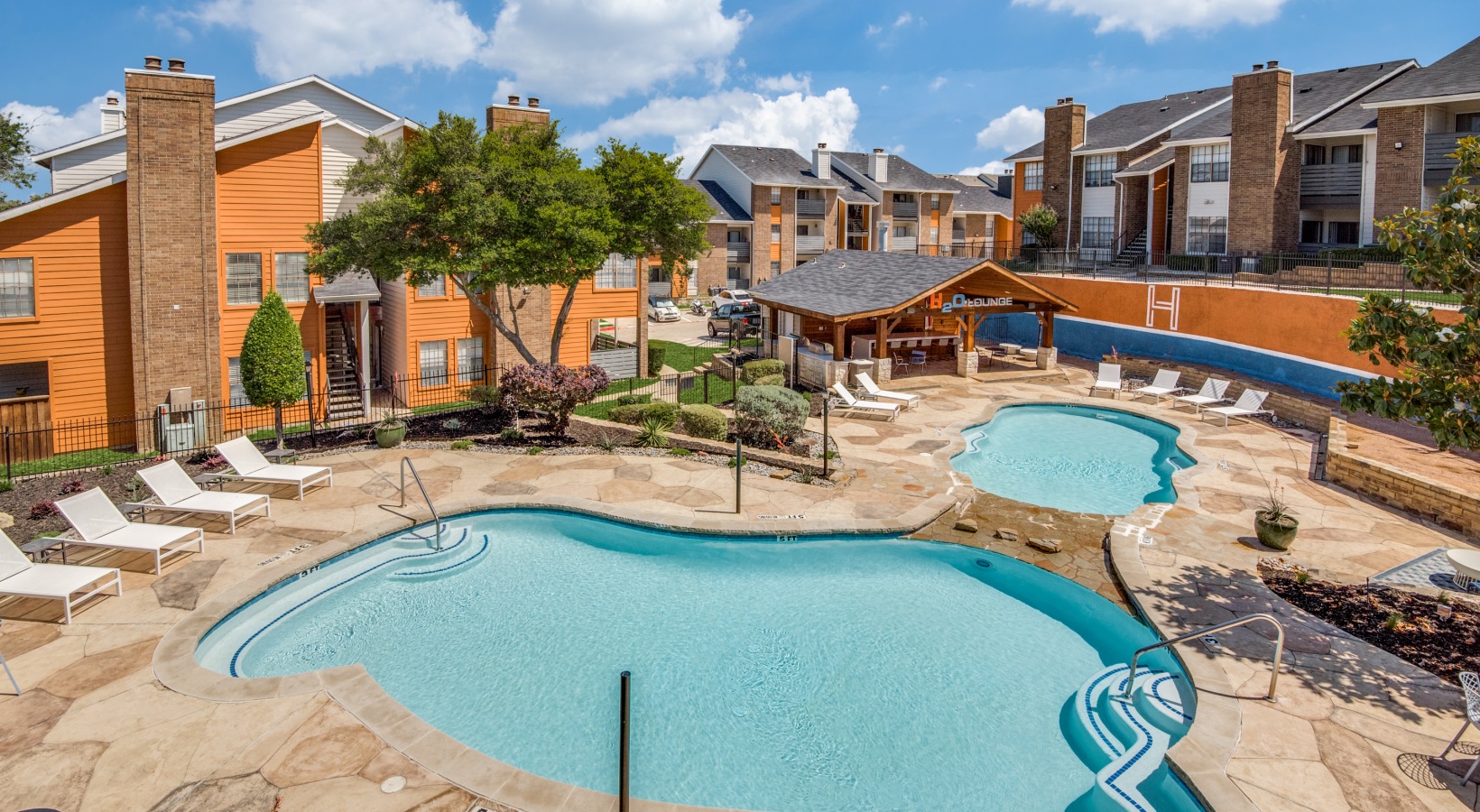
For pet owners, daily routines often matter more than the map label. A community that accepts pets but offers little outdoor support can be harder to live in than one with a clear pet policy and on-site pet features. Hudson does offer a dog park, which is a meaningful detail for dog owners because it gives you a designated place for quick exercise and bathroom breaks without leaving the property. That can be especially useful for residents with early departures, late returns, or irregular schedules tied to airport, hospitality, healthcare, or shift-based work.
Another practical point is household setup. Hudson allows up to two pets per apartment home, so couples, roommates, or households with both a dog and a cat can at least start with a clear maximum. If outdoor access matters for your pet, select homes have private fenced backyards, and that detail should be confirmed for the specific apartment because it is not standard in every home. For some renters, that feature may justify a higher overall housing cost because it changes day-to-day pet care, especially for small dogs or senior pets.
Moving with pets also affects parking, loading, and settling in. Hudson offers open parking, with reserved carports available for $35 per month. That is not a pet fee, but it can matter if you frequently transport crates, food, litter, or veterinary supplies, or if you want a more predictable parking setup when returning home with an animal after travel. Thinking through those routine logistics gives you a more realistic picture than focusing only on whether a property says it is pet-friendly.
Questions worth asking before you choose a pet-friendly apartment
Start by asking for the current written pet policy, then read it line by line. Confirm the number of pets allowed, the non-refundable fee, the monthly pet rent, any breed and weight restrictions, and whether there are additional requirements through a pet-screening service. If any part of the policy is described verbally, ask to see the lease language or official policy sheet so you know exactly what will govern your tenancy.
Next, ask questions tied to your real situation rather than generic pet questions. If your pet is a puppy, senior animal, rescue, or mixed breed, ask how the community handles those cases. If you work long shifts or travel often, ask whether the property has pet stations, how waste rules are enforced, and where the designated dog areas are located. Those answers often tell you more about everyday livability than a marketing label ever will.
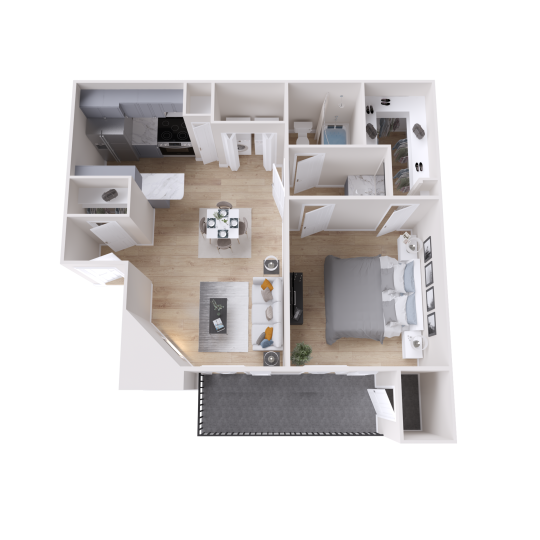
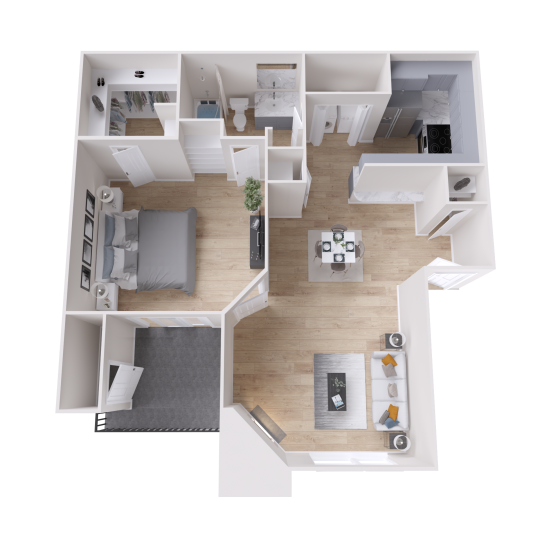
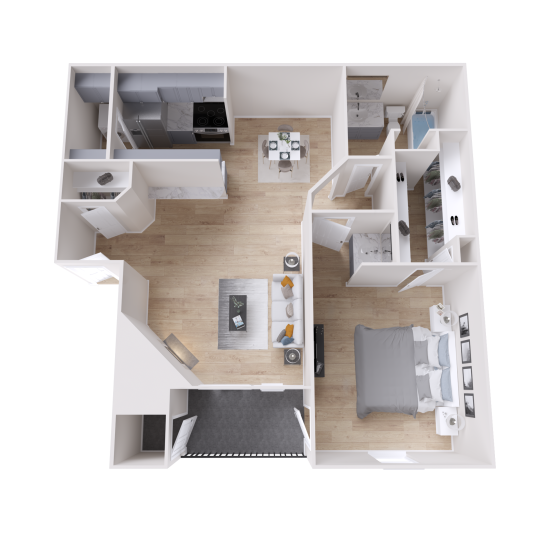
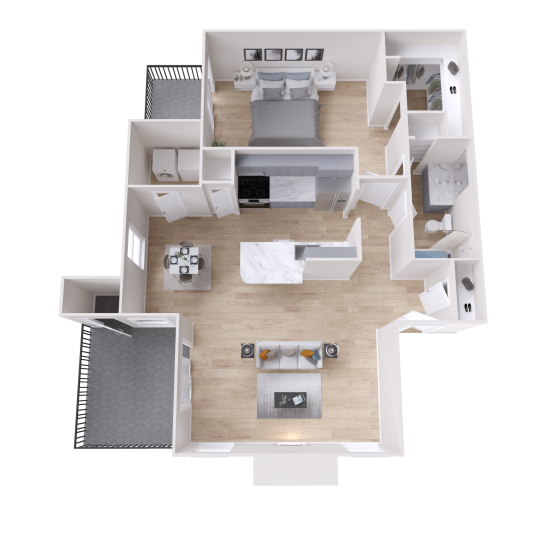
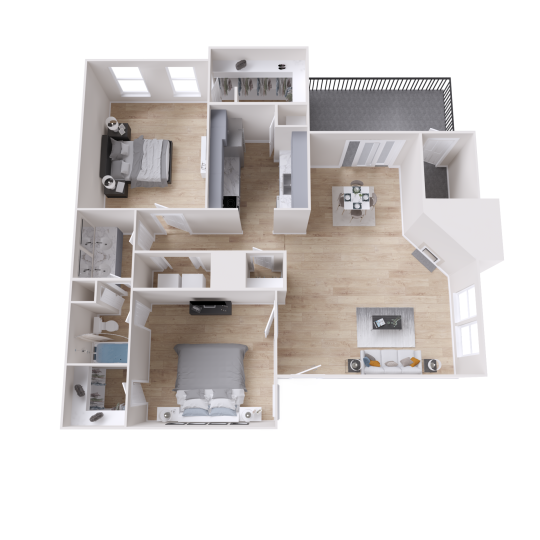
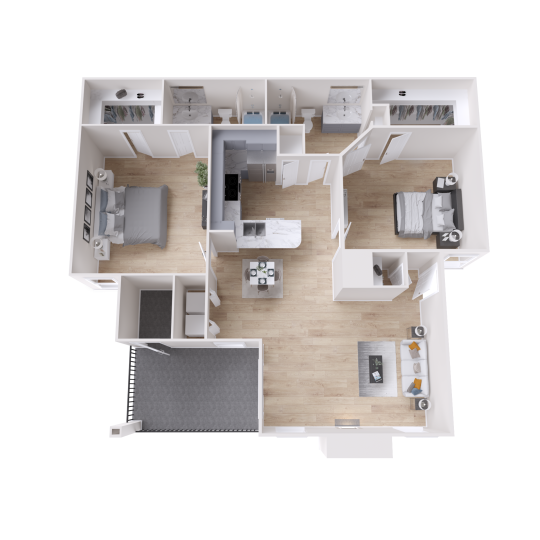
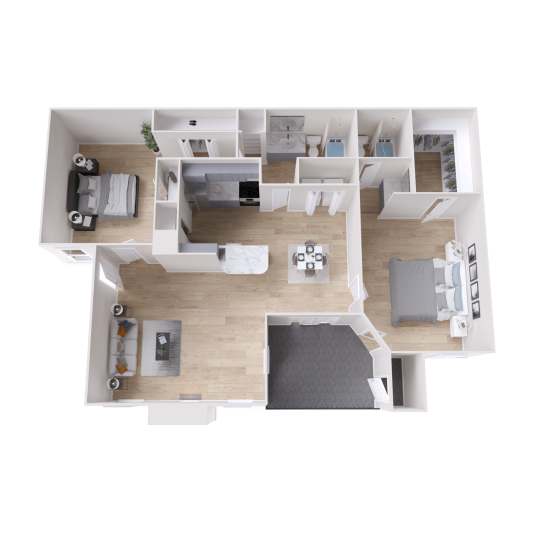
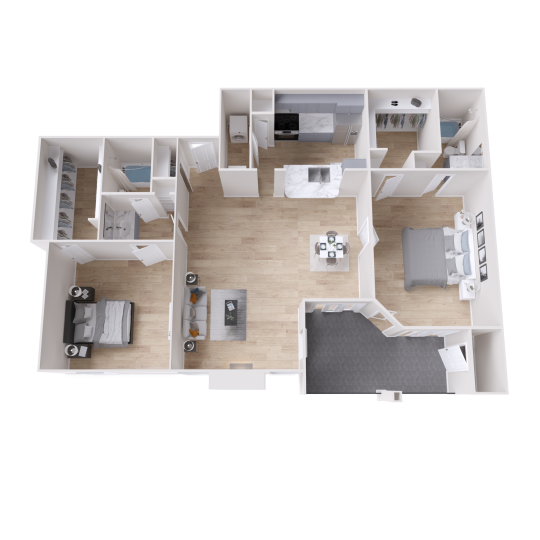
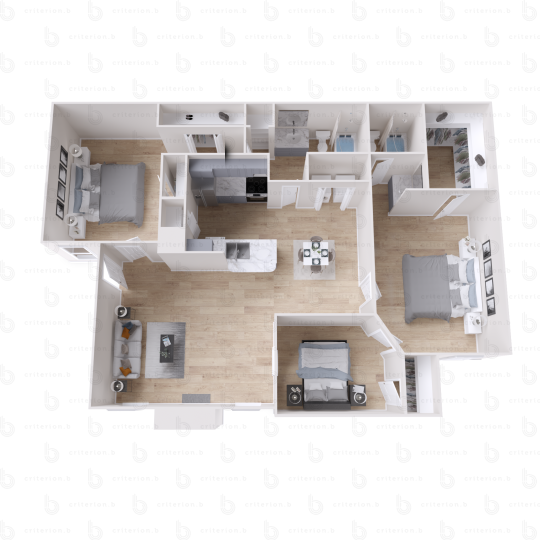
It is also smart to compare the apartment layout to your pet’s needs. Hudson has one- and two-bedroom floor plans, and current pricing, availability, and move-in timing should be confirmed directly with the leasing team because those details can change. A smaller one-bedroom may be workable for one cat or a small dog, while a larger layout may be easier for two pets, crates, litter setup, or separating animals when needed. The right fit depends less on square footage alone and more on how your household actually uses the space.
If Hudson is on your shortlist, the best next step is simple: call the leasing office and ask for the current pet policy in writing, then confirm whether your specific pet qualifies and whether the apartment you are considering has the pet-related features you want, such as proximity to the dog park or, in select homes, a private fenced backyard.